About
Four years across identity design, photography, and film.
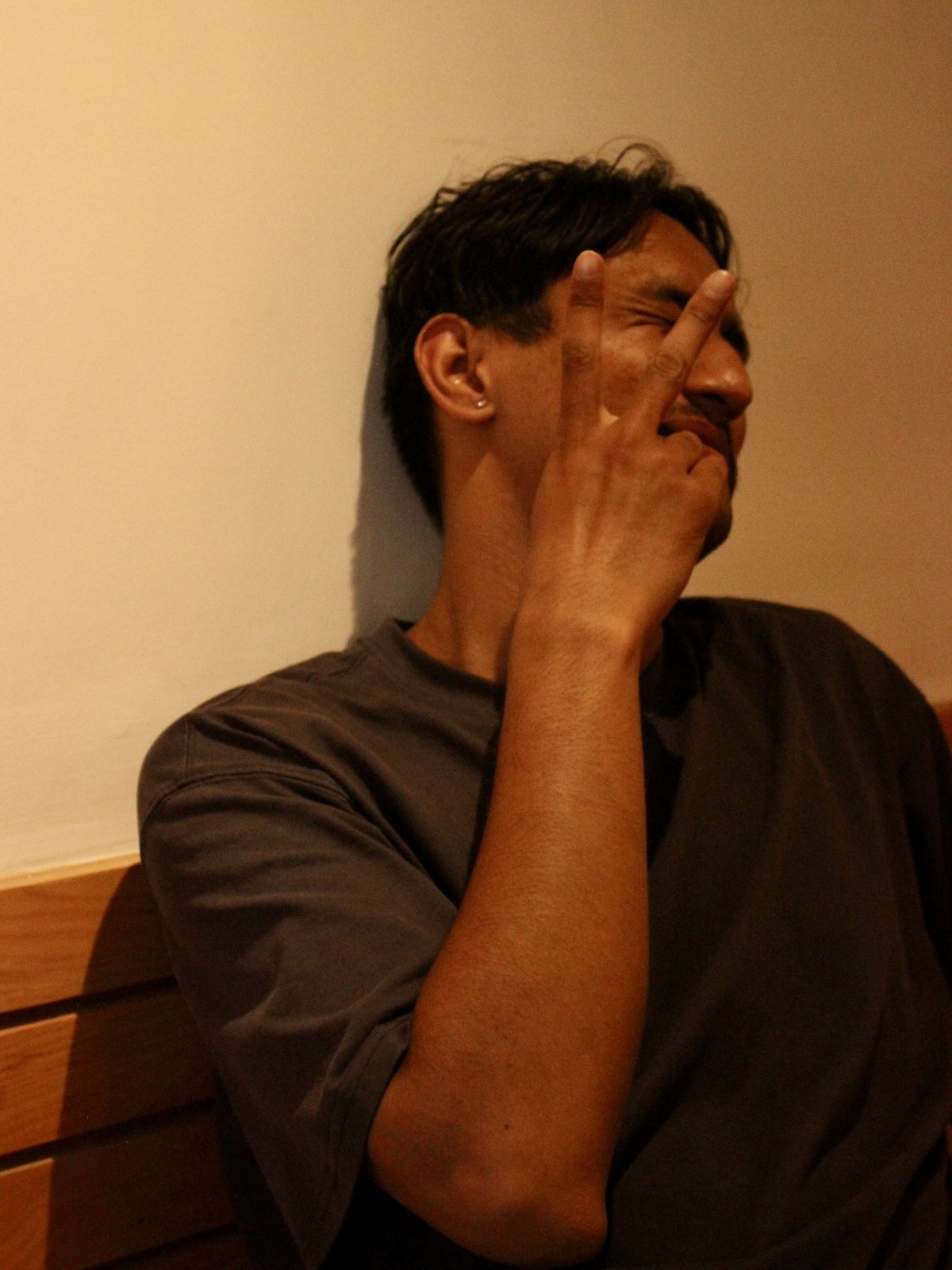
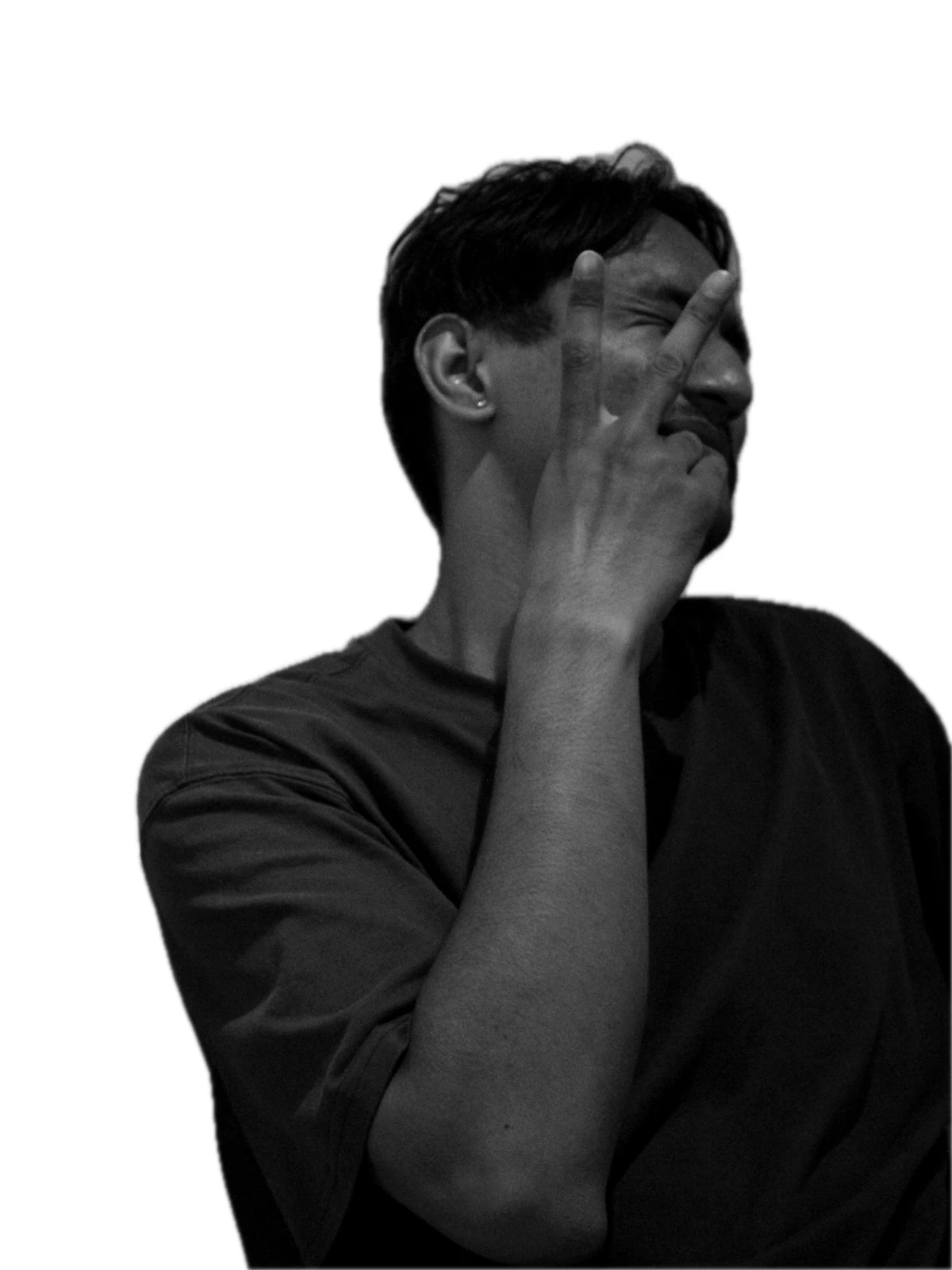
I'm Sohan. I design brand identities, shoot documentary photography, and make films, often all in the same week.
I studied Politics, Philosophy and Economics at Ashoka University, then spent four years proving I'd rather be behind a camera than in a seminar room. Since then I've led the full visual identity for a World Bank-commissioned event with 1,000+ delegates, and shot a two-day documentary story for Global Citizen that reached over a million people.
If you've got a story worth telling, in a brand, a film, or a single photograph, let's make it good.
How I work
- 01
Listen first
Every project starts with a call, not a quote. I want to understand the constraint behind the brief before I propose anything.
- 02
Shoot with intent
No spray-and-pray coverage. Every setup earns its place in the schedule, which means faster turnarounds and fewer wasted frames.
- 03
Edit in context
I cut and grade with the final placement in mind. A 15s cutdown and a gallery print are not the same deliverable wearing different clothes.
- 04
Ship, then support
Delivery includes a structured handoff and a short window for revisions, not a file drop and radio silence.
Gears & Tools
Cameras01 / 04
Sony A7R V
61MP · Full frame
Sixty-one megapixels, AI-assisted subject recognition, and eight stops of in-body stabilisation.
- Cameras: Sony A7R V. Sixty-one megapixels, AI-assisted subject recognition, and eight stops of in-body stabilisation.
- Cameras: Sony A7 IV. The hybrid body. 33 megapixels for stills, 10-bit 4:2:2 for video, and a card slot for each.
- Cameras: Sony FX3. A full-frame cinema camera with no viewfinder, active cooling, and S-Cinetone out of the box.
- Cameras: Canon 80D / 90D. The optical-viewfinder workhorses, with a pentaprism, a deep grip, and a mirror that still makes a sound.
- Lenses: 16–35mm f/2.8 GM. Interiors, architecture, and any room too small to step back in.
- Lenses: 24mm f/1.4 GM. Fast enough for available light, wide enough to keep the room in frame.
- Lenses: 35mm f/1.4L. The reportage focal length, close to how a scene looks before you raise the camera.
- Lenses: 85mm f/1.4 GM. Compression and separation. Faces, at a respectful distance.
- Lenses: 70–200mm f/2.8. Reach, for the moments that stop happening the second you walk toward them.
- Software: DaVinci Resolve. Grading, conform, and the last pass before anything leaves.
- Software: Adobe Premiere Pro. Where the cut gets found, on long assemblies and fast turnarounds alike.
- Software: After Effects. Titles, graphics, clean-ups, and anything that has to move precisely.
- Software: Figma. Design systems, layouts, and decks built to be handed over.
- Software: Illustrator. Logos, marks, and type drawn properly, at any size.
- Software: Lightroom Classic. Ingest, select, develop. Where a shoot becomes a set of photographs.
I look slowly, and then I look again.
If you have a story that deserves that kind of attention, I'd love to hear it.